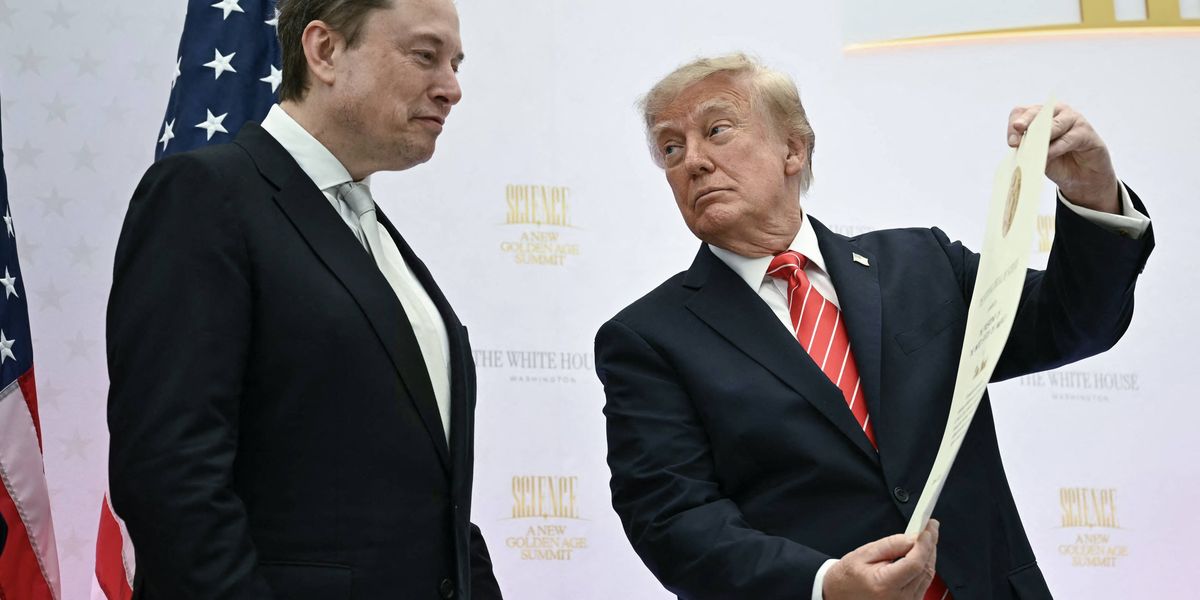
Recent public comments regarding the potential use of preemptive pardons to shield high-profile political allies and technology leaders have reignited a national debate over executive power and the boundaries of accountability. Discussions have centered on the implications of issuing broad immunities ahead of potential congressional or legal investigations.
The Scope of Executive Pardons
During a recent media appearance, leadership addressed potential future oversight by opposition lawmakers, indicating a readiness to issue preemptive pardons to safeguard key figures, including major donors and former administration staff involved in government efficiency initiatives. Critics and legal observers have raised concerns that such measures could undermine institutional checks and balances, while supporters view executive clemency as a necessary tool against politically motivated inquiries.
Public reactions have highlighted deep divisions over the interpretation of presidential powers. One observer remarked, "Offering immunity before a crime is even investigated tells you everything you need," capturing the sentiment of those who view preemptive pardons as a circumvention of justice. Conversely, others have pointed to historical precedents while debating whether current applications reflect unprecedented expansions of executive discretion.
Historical Comparisons and Public Frustration
As discussions widen, comparisons to past political scandals have become frequent among commentators analyzing the current climate. Reflecting on the scale of modern governance and controversies, one participant noted, "I used to think Nixon's corruption couldn't be topped but here we are."
The debate has also touched upon the cognitive and deliberate nature of executive decisions. Addressing the casual manner in which sweeping protections are discussed, another observer quipped, "All things considered, I would prefer that the president at least fucking think about it."
Potential Legal and Legislative Implications
Legal scholars note that federal pardon powers are broad, though they do not extend to state-level offenses. As lawmakers prepare for shifting congressional majorities and potential investigations into federal contracts, data management, and workforce reductions, the intersection of political fundraising, corporate influence, and executive clemency remains a central flashpoint. Whether legislative reforms will emerge to challenge or redefine the limits of the presidential pardon remains an open question as scrutiny intensifies.

