A New Chapter for Oxford Street
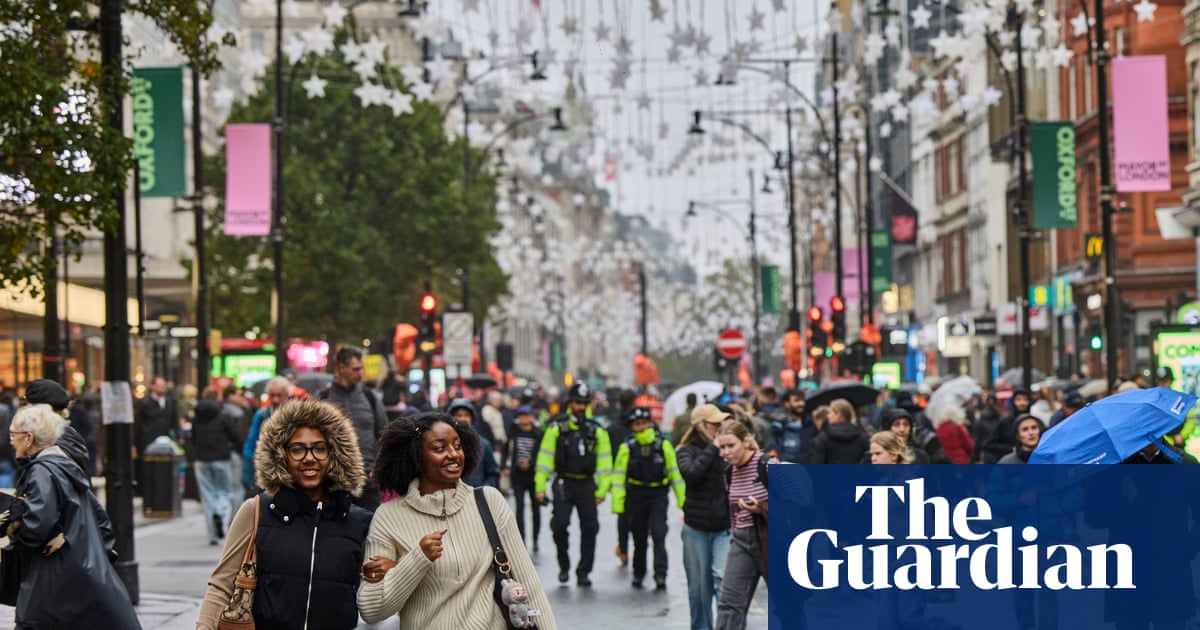
In a momentous development, London's iconic Oxford Street has bid farewell to traffic, embracing a pedestrian-only future. The transformation, hailed as a "momentous day" by Mayor Sadiq Khan, has divided opinions and sparked lively discussions.
Enthusiastic Shoppers
Shoppers who ventured onto the newly pedestrianized street shared their excitement. Daniel Te, a recent arrival from the US, captured the moment in his sketchpad, noting the "sheer mass of people" and the exciting transformation of the street into a bustling, vibrant space.
"It's an entirely new place now... Now to see the whole street become kind of like the scramble crossing is really exciting," Te enthused.
Raquel Cox, a tourist from Ireland, echoed the sentiment, expressing her delight at experiencing the change firsthand. The improved shopping experience, with more space and less jostling, was a welcome change.
Business Perspectives
Abbas Shigival, who runs a souvenir kiosk at the start of the pedestrianized section, acknowledged the potential impact on his business but emphasized the enhanced environment. He believed the change would make people happier and more inclined to explore the area.
Mayor Khan, with a personal connection to the street, shared his vision for a revitalized Oxford Street, emphasizing the need for investing in people and creating a better overall experience.
Mixed Reactions
Not everyone shared the enthusiasm. Taxi driver Ben McMullan highlighted accessibility issues, noting the negative impact on his business and the challenges faced by customers, especially those with mobility issues. He expressed concerns about the change's long-term effects.
"Accessibility is a huge problem... I think automatically that just shuts them off from getting in the cab," McMullan said.
Cyclists, too, faced challenges, with many stopped by security guards as they attempted to navigate the pedestrianized street. "Jack," a cyclist on his way home, voiced his disagreement with the principle of pedestrianization, citing the inconvenience it caused.
Impact on Surrounding Areas
The closure of Oxford Street to traffic has shifted the burden to neighboring roads, leading to concerns about increased congestion. Claire Mann, from Transport for London, assured that capacity for passengers would remain, but acknowledged the need for monitoring and adjustments.
A Step Towards a Greener Future
The pedestrianization of Oxford Street is seen as a step towards creating a more sustainable and pleasant urban environment. With plans for greenery, seating, and event plazas, the street aims to become a vibrant public space, connecting people and enhancing the overall experience.
A Work in Progress
While the initial phase has received positive feedback, the permanent plans will depend on further testing and feedback. London authorities are committed to ensuring the changes benefit everyone, with Mayor Khan emphasizing the need for a "proof of concept" to demonstrate the advantages of prioritizing people over traffic.
A New Normal
As Oxford Street adjusts to its new identity, the debate continues. While some celebrate the improved experience and environmental benefits, others voice concerns about accessibility and the impact on surrounding areas. The transformation is a work in progress, and only time will tell if it becomes a successful model for other cities to follow.

