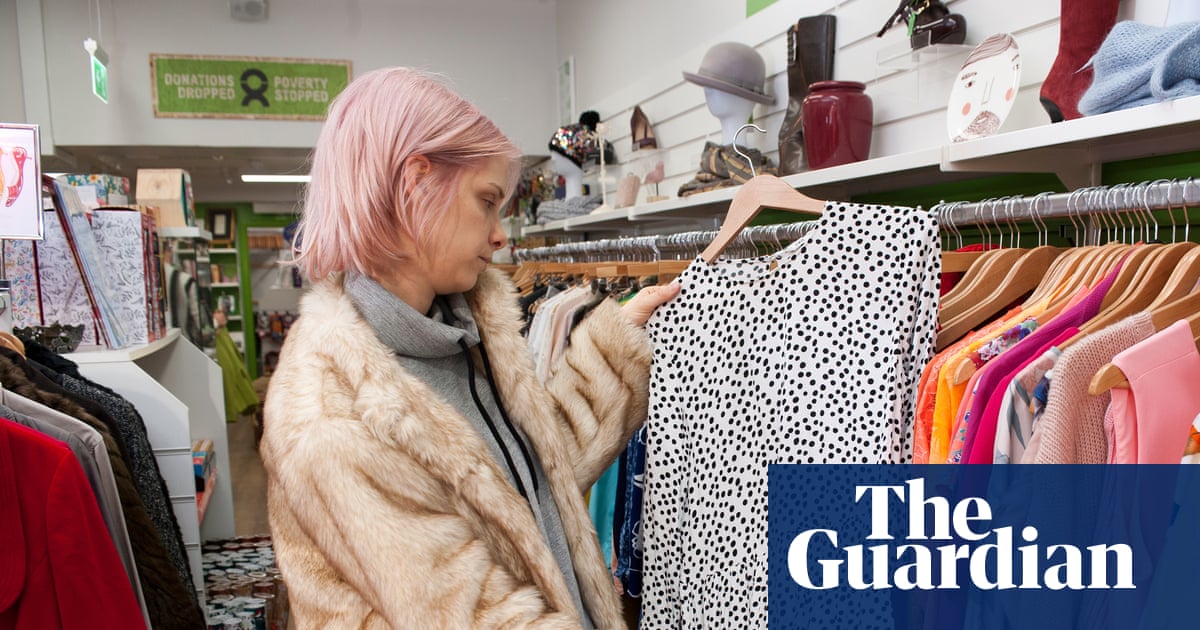
For decades, the familiar cluster of charity shops has served as a cornerstone of the British high street, offering bargain hunters a treasure trove of pre-loved goods while quietly funding vital medical research, international aid, and social care. Today, however, that traditional retail model is facing its most severe test yet. Plummeting profits, store closures, and changing consumer habits have converged to threaten a crucial engine of the nation's charitable sector.
Financial disclosures and unpublished accounts reveal a sharp downturn for some of the country’s most prominent organizations. Oxfam’s retail profits dropped significantly over the last financial year, while the British Heart Foundation—which maintains the largest physical footprint of any charity on the high street—announced plans to shutter 150 stores following substantial operational losses. Other major names, including Cancer Research UK and Scope, have similarly curtailed their storefront operations.
The Shift to Online Marketplaces
At the heart of this disruption is a paradox: while spending on secondhand clothing across the UK has surged dramatically over the past decade to reach billions of pounds, high street charities are largely missing out on the windfall. The rapid rise of digital peer-to-peer resale platforms has fundamentally altered consumer behavior. Rather than bagging up unwanted garments for donation, millions of people are now photographing, listing, and selling items directly to other consumers to pocket the cash themselves.
This digital shift is compounded by the sheer friction of traditional donating. Many high-street shops operate under strict receiving hours, complex sorting requirements, or overwhelming backlogs. As one observer noted regarding the logistical hurdles, "It's a whole list of factors, people being more likely to sell their second hand goods rather than donate to charity. Charity shops trying to complete with resellers so listing more items online and higher prices."
Quality Control and the Fast Fashion Flood
Compounding the competitive pressure from apps is a steep decline in the quality of physical donations. The explosion of ultra-cheap fast fashion has turned charity shops into convenient dumping grounds for disposable garments that quickly fall apart. Insiders point out that volunteers are frequently left battling an avalanche of low-grade textiles that cost money to dispose of rather than generating revenue.
Furthermore, when high-quality donations do make it through the door, charity shops increasingly find themselves competing with professional resellers. Armed with online pricing tools, some shops have raised their in-store prices to match secondhand market rates, inadvertently alienating traditional shoppers looking for an affordable alternative to buying new.
As one commenter put it, capturing the frustration of modern shoppers: "When I was a kid charity shops felt accessible when you didn’t have much money. Their prices take the piss these days, Vinted is cheaper."
Rising Costs and an Uncertain Future
Beyond consumer trends, macroeconomic pressures have taken a heavy toll on bricks-and-mortar operations. Recent increases to national insurance contributions, changes to thresholds affecting part-time workers, and general inflationary bumps in high street rent and utility bills have squeezed profit margins to razor-thin levels. For Oxfam, the financial return has shrunk to the point where only a fraction of every pound spent in-store directly supports core charitable causes.
Despite the gloomy outlook, sector leaders emphasize that charity shops offer intangible community benefits that cannot be measured purely in retail profits. They maintain a vital local presence, foster social connection, and provide thousands of volunteering opportunities. Yet, if the high street is to survive this digital and economic reckoning, the traditional charity shop model will clearly need to evolve.

